
011-3322-4468
info@yorkshire-professional-cleaning-ltd.co.uk
Mon – Fri (10am – 5pm)
Keeping a workplace clean takes time, money and careful planning. When comparing commercial cleaning services Leeds businesses can choose with an in-house cleaning team, the right decision depends on their budget, workplace size and daily cleaning needs. Both options have benefits, but understanding their true costs and responsibilities can help you make a better choice.
In-house cleaning means employing staff directly to clean your premises. You manage their working hours, training, equipment, cleaning products and daily tasks.
This arrangement can suit businesses with simple cleaning needs, a dedicated facilities team or strict requirements for on-site control. However, staff holidays, sickness and recruitment can make it harder to maintain consistent standards.
Professional cleaning involves hiring an external company to maintain your workplace. The provider agrees on the tasks, schedule and service standards with your business.
Depending on the contract, the cleaning team may supply equipment, products and trained staff. Yorkshire Professional Cleaning Ltd offers commercial cleaning in Leeds for businesses seeking an external cleaning solution.
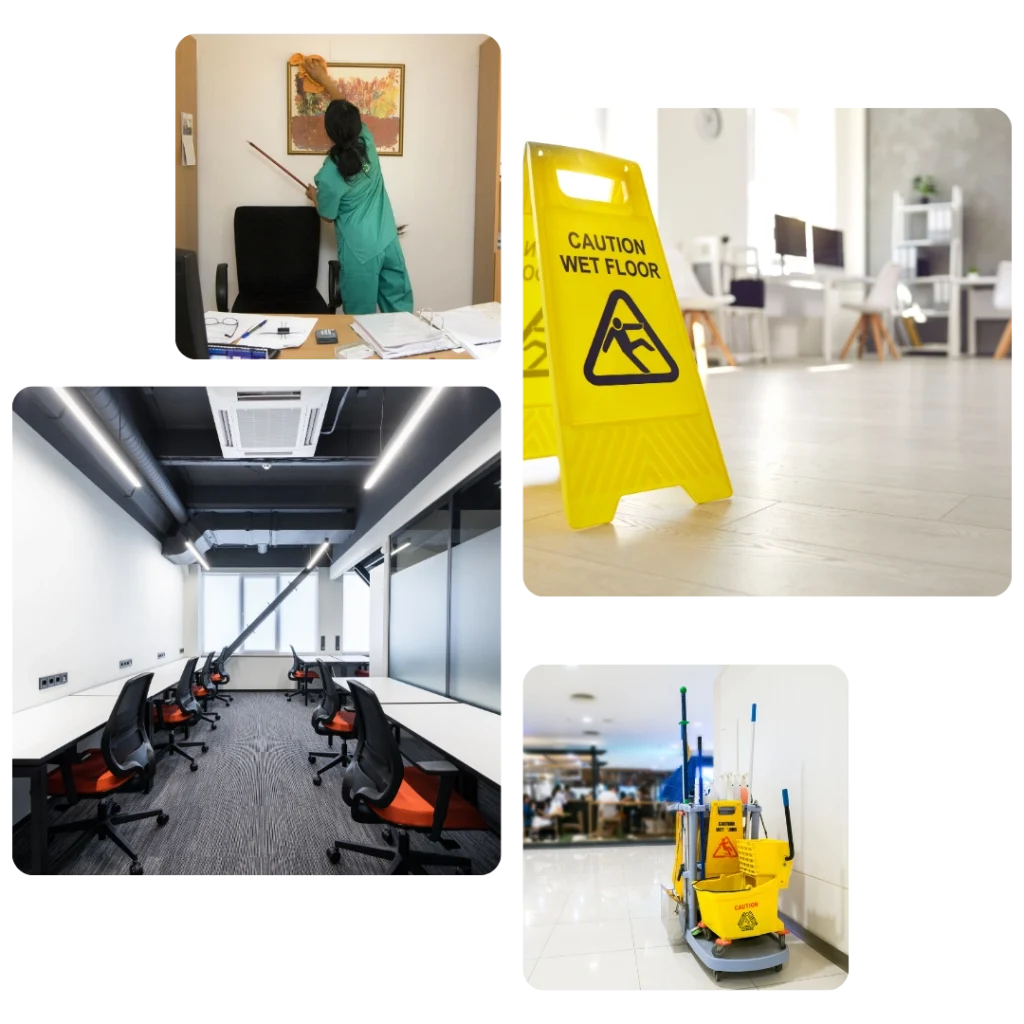
Cost is often the first concern for business owners. In-house cleaning may appear cheaper because there is no external service fee, but wages are only one part of the total cost.
Direct employment can also involve recruitment, holiday pay, employer National Insurance contributions, pension duties where applicable, training, equipment, cleaning supplies and cover for absences. These costs should be included when calculating the real budget.
Professional cleaning usually has an agreed service price, making monthly budgeting easier. However, specialist treatments, extra visits and emergency cleaning may cost more if they fall outside the contract.
| Cost Factor | In-house Cleaning | Professional Cleaning |
|---|---|---|
| Staffing | Direct employment costs | Included in the agreed service price |
| Equipment | Purchased and maintained by you | Often supplied by the provider |
| Staff Absence | You arrange cover | Provider manages agreed cover |
| Training | Organised by your business | Provider trains its cleaning staff |
| Budget Planning | Several separate costs | Often easier to forecast |
Practical tip: Request a detailed quote and compare it with your full employment costs. Do not compare a cleaner’s hourly wage with a contractor’s hourly rate without accounting for the different responsibilities.
In-house cleaning quality can vary with staff experience, workload and supervision. A written cleaning schedule helps, but managers must still check completed work and address missed tasks.
Professional cleaners may bring established procedures, suitable equipment and experience with different surfaces. Before signing a contract, ask how quality is checked, how complaints are handled and whether the service includes periodic deep cleaning.
Cleanliness is more than appearance. The UK Workplace (Health, Safety and Welfare) Regulations 1992 require workplaces and their furniture, furnishings and fittings to be kept sufficiently clean. Employers must also consider their wider workplace health and safety duties.
Cleaning products require proper handling. The Health and Safety Executive explains that the Control of Substances Hazardous to Health Regulations (COSHH) require employers to assess risks from hazardous substances and put effective controls in place.
Whether you employ cleaners directly or outsource the work, make sure responsibilities are clear. Check chemical safety information, staff training, suitable protective equipment and procedures for wet floors.
When employees clean their own work areas or shared kitchens, they spend time away from their main duties. This may be manageable in a small office, but it can become disruptive in a busy workplace.
Outsourcing routine cleaning allows staff to focus on their roles. However, employees should still keep their desks tidy, dispose of waste correctly and report spills or hazards promptly.

The best choice depends on the type of premises and the level of cleaning required.
A small office with limited footfall may manage well with a part-time in-house cleaner. A busy office with shared kitchens, meeting rooms and washrooms may benefit from a planned external service.
Warehouses, retail premises and larger commercial buildings can have more demanding requirements, including high-traffic floors, larger washrooms and specialist equipment. Businesses with these needs should assess whether an external provider has the relevant experience.
Commercial office cleaning Leeds businesses need should match their opening hours and working patterns. Evening or early-morning visits may help reduce disruption, while flexible schedules can support changing occupancy levels.
Choose in-house cleaning if you need close daily control, have suitable staff management in place and can cover holidays and sickness.
Choose outsourced cleaning if you want a planned service, predictable arrangements and less responsibility for recruiting and supervising cleaning staff.
A hybrid approach can also work. Your employees can handle simple daily tidying while professionals complete scheduled cleaning and periodic deep cleans.
Before choosing a company, ask for a site assessment and a written quote. Explain your floor area, number of employees, opening hours, washroom facilities and any areas needing special attention.
Check whether the provider has suitable insurance, trained staff, documented safety procedures and a clear quality-control process. Ask who supplies cleaning materials, how keys and access codes are protected, and what happens if a scheduled cleaner cannot attend.
Read the contract carefully. It should explain the cleaning tasks, frequency, price, additional charges, cancellation terms and process for reporting problems.
Would you like to compare the real cost of in-house cleaning with a tailored commercial cleaning quote for your Leeds workplace? Contact the team to discuss your premises, cleaning schedule and budget.
It can be, particularly when a business would otherwise need to cover recruitment, training, equipment and staff absences. Compare the full annual costs of both options before deciding.
Services may include dusting, vacuuming, floor cleaning, washroom cleaning, kitchen cleaning and waste removal. Always check the service agreement because specialist tasks and deep cleaning may cost extra.
The right frequency depends on staff numbers, footfall, the type of work and shared facilities. Busy offices may need daily attention, while smaller workplaces may need fewer full cleaning visits.
Many providers offer early-morning, evening or weekend appointments. Confirm availability, access arrangements and any additional charges before booking.
This depends on the contract. Ask whether the provider supplies everything or expects your business to provide equipment, products and storage space.
Yes, the Workplace (Health, Safety and Welfare) Regulations 1992 require workplaces to be kept sufficiently clean. Employers must also meet relevant health and safety duties.
COSHH stands for the Control of Substances Hazardous to Health Regulations. These rules require employers to assess and control exposure to hazardous substances, including certain cleaning chemicals.
Yes. Outsourcing may reduce the time spent managing cleaning tasks and equipment, even in a small office. The value depends on the service price and the business’s actual needs.
Check the written quote, insurance, staff training, safety procedures, references and quality-control arrangements. Make sure the contract clearly states what is included and how problems will be resolved.
Yes. Staff can manage everyday tidiness while an external team handles regular cleaning and specialist tasks. Clear responsibilities help prevent missed work and duplicated effort.