
011-3322-4468
info@yorkshire-professional-cleaning-ltd.co.uk
Mon – Fri (10am – 5pm)
A clean workplace helps employees feel comfortable, creates a positive impression on visitors and keeps shared spaces pleasant to use. If your office has persistent dust, unpleasant smells or overflowing bins, it may be time to contact an office cleaning company Leeds businesses can rely on for a more consistent cleaning routine. Recognising the warning signs early can help you address hygiene concerns before they affect your working environment.
Every office has different cleaning needs. A small team working in a private office may need a different schedule from a busy workplace with shared desks, meeting rooms and frequent visitors.
The Health and Safety Executive (HSE) provides guidance on managing workplace risks, including slips, trips and hazards associated with cleaning. A planned approach helps businesses identify problem areas, assign responsibilities and check whether cleaning measures are working.
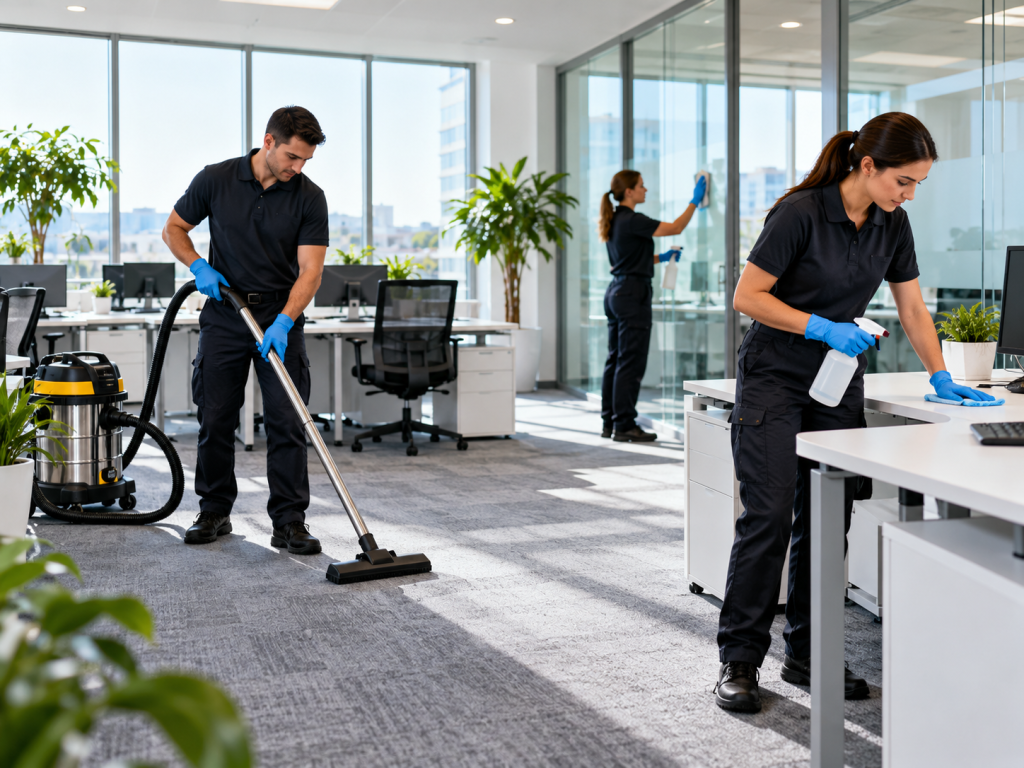
If dust gathers on desks, shelves, window sills and computer monitors shortly after cleaning, your current routine may not be thorough enough. Dust can build up in neglected corners, around equipment and beneath furniture.
What to do: Review how often surfaces are cleaned and whether hard-to-reach areas receive attention. Employees should also follow workplace policies for cleaning personal desks and handling electrical equipment safely.
Professional cleaners work methodically from top to bottom to prevent recontamination of cleaned areas. This systematic process typically includes:
This approach ensures comprehensive coverage without missed areas, delivering consistently superior results compared to non-systematic cleaning methods.

Repeated complaints about dirty desks, sticky floors or untidy meeting rooms suggest that your cleaning standards are not meeting staff expectations. Ignoring this feedback can reduce confidence in workplace facilities.
What to do: Record complaints, note where problems occur and look for patterns. If the same issue returns each week, review the cleaning schedule and the tasks included in the service.
Overflowing bins, discarded food and waste left beside containers can make an office look neglected. This is especially common in busy kitchens, reception areas and shared workspaces.
What to do: Match waste collection frequency to how much rubbish your office produces. Consider additional checks during busy periods and ensure waste is separated according to your workplace’s recycling arrangements.
Visible marks, muddy footprints and stained carpets can make an office appear poorly maintained. High-traffic entrances, corridors and reception areas often need more attention than rooms used occasionally.
What to do: Combine routine vacuuming and mopping with periodic carpet and floor maintenance. Cleaning products and methods should suit the floor material, while wet floors must be managed carefully to prevent slips.
The HSE identifies slips and trips as a major workplace safety concern. Its guidance on preventing slips and trips highlights the importance of suitable precautions and effective cleaning management.
Hot-desking, shared keyboards, meeting tables and touchscreens create cleaning challenges because several people may use the same equipment throughout the day. If these surfaces are overlooked, your cleaning plan may not reflect how your team actually works.
What to do: Identify frequently touched surfaces and agree who cleans them, how often and with which suitable products. Follow manufacturer instructions for electronic equipment, and avoid spraying liquids directly onto keyboards or screens.
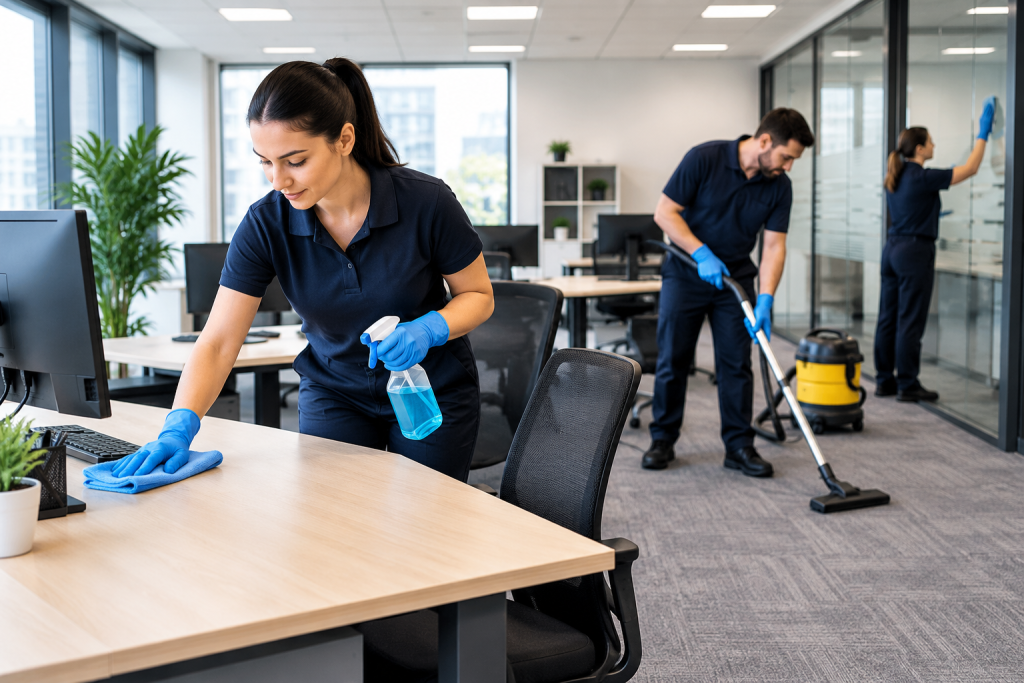
Perhaps the office looks excellent one day but neglected the next. Tasks may be missed, cleaning times may clash with staff activities, or nobody may check whether the agreed work has been completed.
What to do: Request a written task list, agreed cleaning frequencies and a clear process for reporting missed work. A dependable provider should explain how performance is checked and how problems are resolved.
A good cleaning plan should reflect your office size, staff numbers, visitor traffic and the facilities people use every day. Instead of choosing a schedule based only on price, identify which areas become dirty fastest and how often they need attention.
| Workplace Area | Suggested Cleaning Frequency |
|---|---|
| Desks and shared touchpoints | Daily or according to use |
| Kitchens and washrooms | Daily, with additional checks when needed |
| Reception and busy walkways | Daily and as required |
| Carpets and upholstery | Routine vacuuming; deeper cleaning as needed |
| Windows and less-used areas | Scheduled according to need |
These are starting points, not universal legal requirements. Your actual schedule should reflect the workplace, its risks and any applicable hygiene requirements.
Regular office cleaning helps prevent small maintenance problems from becoming recurring complaints. It also gives managers a clearer way to check whether essential tasks are being completed.
When comparing providers, ask about staff training, insurance, suitable cleaning products, out-of-hours availability and arrangements for keys or confidential areas. If cleaning chemicals are used, the HSE’s COSHH guidance explains how employers must assess and control risks from hazardous substances.
What is the biggest cleaning challenge in your Leeds workplace: dusty desks, untidy shared spaces, washroom hygiene or an inconsistent cleaning schedule? Identifying the main issue is a useful first step towards a cleaner, more welcoming office.
Most offices benefit from a schedule based on staff numbers, foot traffic and the use of shared facilities. Busy kitchens and washrooms may need daily cleaning, while less-used areas can follow a different routine.
An office cleaning company may provide desk and surface cleaning, vacuuming, floor care, washroom cleaning, kitchen cleaning and waste removal. The exact service depends on your agreement, so check the task list before booking.
Yes, small offices still need a suitable cleaning routine, especially when employees share kitchens, toilets and equipment. A tailored schedule can help control costs without neglecting important areas.
Prices vary according to office size, cleaning frequency, location, labour requirements and specialist tasks. Request an itemised quote and confirm whether the advertised rate includes VAT, materials and any minimum booking period.
Many providers offer early-morning or evening appointments, depending on staffing and availability. Agree access arrangements, alarm procedures and key security before work begins.
A checklist should cover desks, shared surfaces, floors, bins, kitchens, washrooms and reception areas. It should also record cleaning frequency, responsibility and any outstanding issues.
Employers have workplace health and safety responsibilities, while cleaning duties may be shared between staff and professional cleaners. Businesses should clearly define who handles routine tidying, waste disposal and scheduled cleaning tasks.
Appropriate cleaning removes dirt and can reduce contamination on surfaces. Disinfection may also be needed in particular circumstances, but it should be selected and carried out according to the relevant risks and product instructions.
Check whether agreed tasks are completed, complaints are resolved and the same problems stop recurring. Regular inspections and a written service checklist make performance easier to measure.
Compare written quotations, references, insurance, staff training, cleaning methods and the provider’s approach to missed tasks. Choose a company that understands your premises and can explain exactly what its service includes.